Why You Should Plan Your Apple Preorder Now for Holiday Shopping
There is a moment every fall when the Apple Store app glows with a new "Coming Soon" banner, and the calendar suddenly feels urgent. I have watched this cycle for years, and each time the same lesson repeats: the people who walk away happy are the ones who treated the launch window like a real appointment, not a vague intention. The apple preorder process is not complicated, but it rewards preparation in ways that casual shoppers often underestimate.
Holiday shopping adds another layer. By late October, the window for guaranteed delivery before Thanksgiving or Hanukkah starts to shrink. Shipping carriers tighten their schedules, and limited stock on the most desirable configurations disappears in hours. If you have ever waited until Black Friday to buy a new iPhone or iPad, only to find every model back-ordered until January, you already know the frustration. The apple preorder system exists precisely to solve that problem, but only if you use it before the rush hits full force.
The Real Cost of Waiting
I once advised a friend to wait for a "better deal" on a new MacBook. She waited two months. By the time she decided to buy, the configuration she wanted - a specific processor and RAM combination - was listed as "ships in 5-6 weeks." That pushed delivery past Christmas. She ended up settling for a different model that cost more and lacked the storage she needed. The lesson stuck: saving a theoretical fifty dollars is not a win if you lose the machine you actually want during the busiest season of the year.
Trade-in values also shift. Apple Upgrade programs and carrier deals often offer maximum credit during the pre-order window. By December, those same offers may drop by fifty or a hundred dollars. If you are trading in an older iPhone or iPad, the difference can easily cover the cost of a case or a set of wireless earbuds.
What Makes the Apple Preorder Different
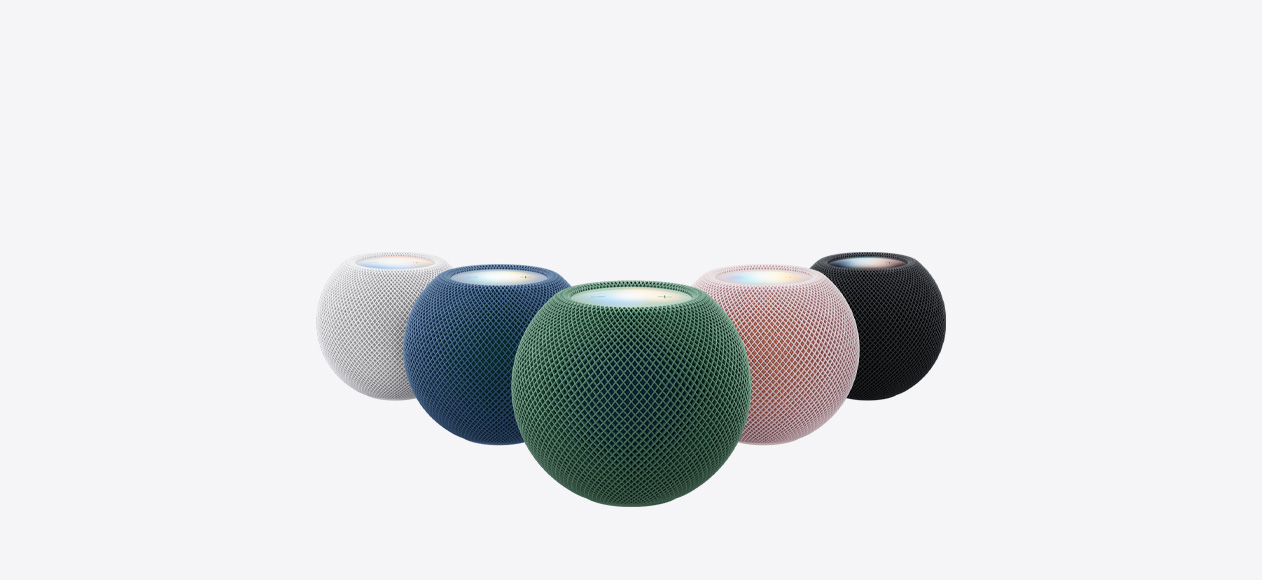
Not all product launches work the same way. Apple has refined its release date rhythm over many years, and the pattern is fairly predictable now. A product is announced, the pre-order page goes live within days, and the first units ship roughly one to two weeks later. But the inventory is not infinite. The most popular colors, storage sizes, and carrier options sell out first. If you want the iPhone 18 Pro in a particular finish, or the HomePod mini 2 in the color that matches your living room, the pre-order window is your best shot at getting exactly that.
Apple HomeView, the smart home hub that integrates lighting, locks, and sensors into a single interface, follows a similar pattern. The first production run is often smaller than demand, and retailers receive allocation based on early orders. Waiting until the product is "in stock" at a local store usually means browsing empty shelves or checking online every morning for a restock notification.
The Devices Likely to Move Fast
Based on past cycles, certain products always see the tightest supply. The iPhone 18 Pro and iPhone Duo will almost certainly fall into that category. People who upgrade every year know this, and they tend to place their pre-order within the first twelve hours. The Apple Watch Series 12, especially the cellular-enabled versions, also tends to sell through quickly. If you are buying for someone else as a gift, guessing wrong on the model or band size can turn into a frantic search for a backup present.
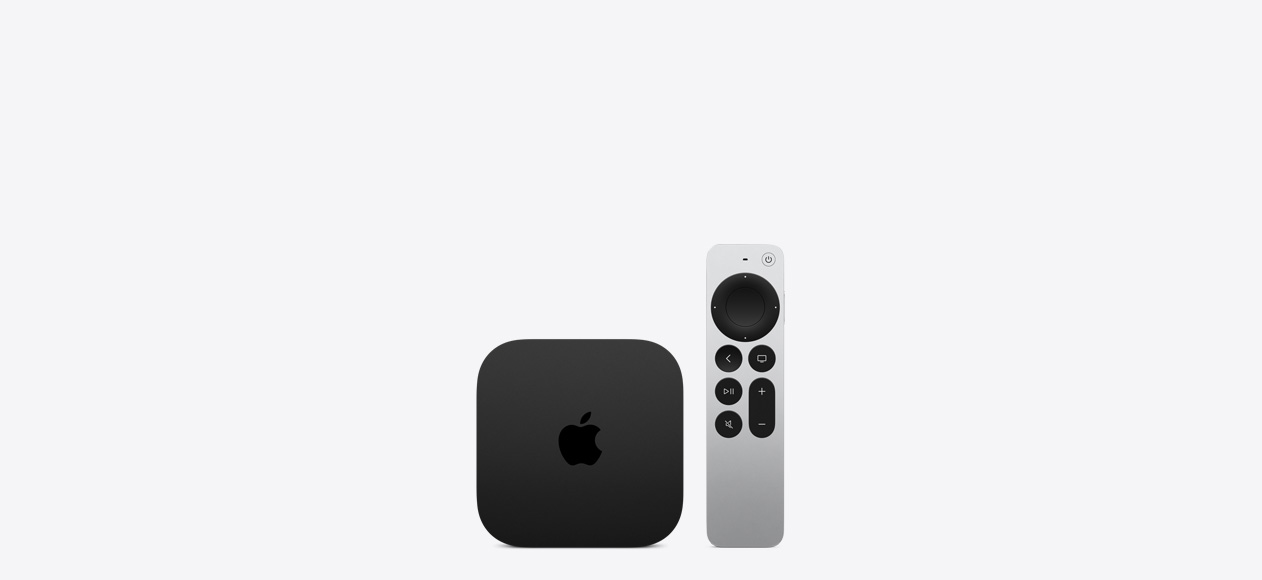
Other products like the Apple TV 4K and HomePod mini 2 usually have slightly better availability, but even they can slip into backorder if you wait too long. Shipping time for these devices often stretches from two days to three weeks as the holiday cutoff approaches. The Apple Store shows estimated delivery dates at checkout, and those dates shift in real time as inventory is claimed.
Financing and Protection Options
One detail people often skip during the pre-order rush is the financing step. Apple Card holders can take advantage of special financing offers, including zero-interest installment plans on larger purchases. The Apple Upgrade program also lets you trade in your current device and pay in monthly installments, which can make the price of an iPhone 18 Pro or a MacBook feel more manageable. Both options require a credit check and a few minutes of extra time during checkout. Doing that during the pre-order window is far easier than scrambling after the fact.
AppleCare protection plans are another consideration. They are cheapest when bought at the same time as the device. Adding it later costs more, and the coverage window starts from the purchase date regardless. If you are buying for a student or a family member who tends to drop things, the peace of mind is worth the small upfront cost.
Practical Steps for a Smooth Pre-order
I have helped friends and colleagues navigate this process for the last five launch cycles. The steps that actually matter are simple, but they are easy to forget in the moment.
- Check your Apple Store account now. Make sure your shipping address, payment method, and Apple Pay details are current. Nothing derails a quick checkout like a declined card or an old apartment number.
- Decide on the exact model, color, and storage before the announcement. Do not browse the options for the first time when the pre-order page is live. That indecision costs you minutes, and minutes matter when stock is limited.
- Set a calendar reminder for the pre-order start time. Apple usually announces the exact time in the days before the event. Aim to be at your computer or phone within the first hour.
- If you plan to trade in a device, run the trade-in estimator early. The offer is valid for a set period, and you can lock in the value before the pre-order even opens.
- Consider buying from the Apple Store directly. Third-party retailers sometimes get stock later or in smaller quantities. The Apple Store also offers the most consistent return policy and the widest selection of configuration options.
The Gift That Keeps Its Promise
There is a special kind of relief that comes from handing someone a wrapped box on a holiday morning, knowing that it contains exactly what they wanted. That feeling is harder to achieve when you are still checking tracking numbers on December 23. The apple preorder system is not a gimmick. It is a practical tool for matching supply with demand during a period when both are at their peak.
The iPhone Duo, with its dual-screen design aimed at people who juggle work and personal life on a single device, is the kind of product that will likely generate long lines. The Apple Watch Series 12 has new health sensors that appeal to runners and cyclists who plan their year around specific fitness goals. Even the HomePod mini 2, which seems like a simple speaker, benefits from early ordering because it often ships in multi-unit packs for whole-home audio. Missing the pre-order window on that product means either buying one unit at a time or waiting for a restock that may not arrive until February.
A Final Thought on Timing
I have learned that the real value of a pre-order is not the promise of a discount. Discounts on new Apple hardware are rare, and the ones that exist are usually tied to carrier contracts or trade-in credits. The real value is certainty. You know when the device will arrive. You know you got the configuration you wanted. You know you avoided the last-minute chaos that turns holiday shopping into a chore.
If you are on the fence, consider this: the window between announcement and the last guaranteed shipping date for the holidays is usually about four weeks. Within that window, the first week is the safest. After that, shipping time starts to creep, and limited stock becomes a real risk. The Apple Upgrade program and Apple Card financing make the upfront cost easier to manage, but they do not help if the product is already sold out.
So check your account, pick your model, and set that reminder. The Apple Store will be ready. The question is whether you will be ready for it.